Game Shows in Online Casinos: Crazy Time and Similar Studio Formats
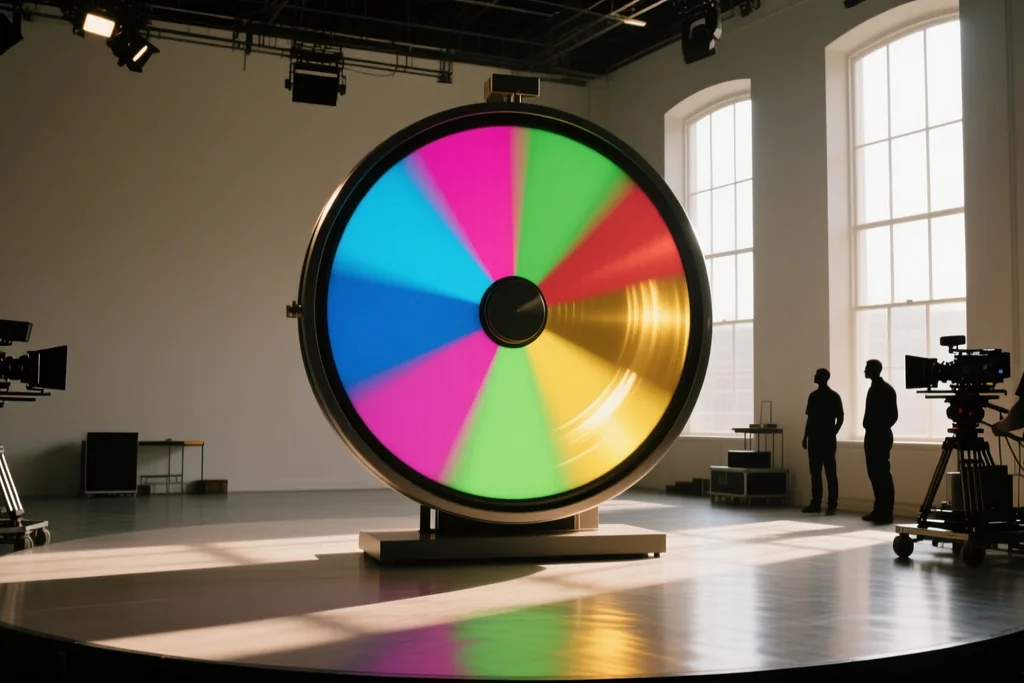
Game shows sit somewhere between a live dealer table and a television quiz. A presenter runs the round, a studio set provides the visuals, and a wheel or a multiplier decides the result. They are streamed live, which makes them feel closer to a broadcast than to a slot.
What makes a game show different
Classic live tables copy a real casino floor; game shows invent their own format. The presenter is part of the entertainment, the set is built for camera angles, and a round can move between a main game and one or more bonus stages. The rules are still fixed and the outcome is still random, but the presentation is deliberately loud and fast.

That production style is the point. Where a live blackjack table hides the mechanics behind a familiar layout, a game show puts the mechanics on screen as a spectacle, with lights, sound and a host reacting to each result. The entertainment value is real, but it is presentation, not a change in the odds.
Why they feel more like television
Episodes of a show share a look and a rhythm, so a session can feel like watching several rounds of the same programme. That familiarity is deliberate and helps newer players follow what is happening without studying a rulebook first.
The usual structure of a round
A round starts with a betting window, then the presenter triggers the result mechanically — a wheel, a ball, a spinning top or cards hidden on the set. Some formats let players choose a symbol or a segment, and a multiplier then applies to the selected outcome. Bonus rounds, when they land, move to a separate screen with their own rules.
The betting window is fixed, so the pace is set by the studio rather than by you. Between rounds there is usually a short pause for the host to talk and for players to prepare the next bet. Once the wheel or ball is in motion, no further bets are accepted.
Choosing a segment
In formats built around a wheel, players typically pick a segment or symbol and are paid according to where the result lands. Some segments carry higher multipliers and appear less often; others are common and pay less. Since the wheel is physical and the result is random, the choice is about the payout structure you prefer, not a way to influence the spin.
Multipliers and bonus stages
- The main game resolves quickly and pays on the segment that lands.
- A bonus stage may be triggered by a specific result on the wheel.
- Inside a bonus, multipliers can stack before the final reveal.
- Not every feature is available every round, so the spin itself matters.
- RTP applies across the whole format, not to one round in isolation.
Comparing common traits
| Format trait | What it means in play |
|---|---|
| Presenter-led | A human host runs the round and the commentary |
| Wheel-based | A physical wheel decides the result |
| Bonus stages | Extra screens with their own rules and multipliers |
| Social element | Live chat with other players and the presenter |
| Fixed betting windows | Bets must be placed before the round starts |
Limits, pace and control
Game shows are designed to be visually busy, which can make the pace feel faster than it is. Bets per round are usually capped by the table limits, and each round is independent of the last. Because the format encourages quick repeat spins, set a budget and use session reminders before joining a table. Nothing about watching a wheel gives you an edge on the next result.
It also helps to watch a few rounds without betting first. That way the bonus mechanics and the timing of the betting window become clear before any money is at stake, and the format stops feeling like a rush.
When to step away
If the pace is pulling you into faster bets than planned, use the pause or time-out tools on the account. A short break resets the rhythm and keeps the session closer to what you intended.
Who these games suit
Players who enjoy the theatre of a live format and can keep to a plan tend to get the most out of game shows. If you prefer quiet, mechanical play, a standard live table or a software slot may fit better. Check the current rules panel for the specific format, since features, limits and bonus mechanics differ between studios.
How bonuses inside a show are structured
When a bonus stage opens, the rules usually change for a moment: the multipliers climb, several results can combine, or a single pick decides the payout. These stages are scripted into the format and shown on screen, so nothing is hidden, but the math behind them is fixed by the studio. The stage ends when it ends, and the total is applied to your stake for the round.
Because the bonus is rare, it carries the weight of the format's return. Waiting for it round after round is exactly how the design is meant to feel, which is why a budget and a time limit matter more here than in a slower table game.
Bankroll planning for show formats
Treat a game show like a cover charge rather than an investment. Decide the amount you are willing to spend on the session, divide it into per-round bets you can repeat comfortably, and stop when the plan says stop. The fixed betting window helps here, because it forces a pause between rounds and makes it harder to bet on reflex.
It also helps to check the table limits before joining, since a minimum that is high relative to your budget will burn through the session in very few rounds regardless of how the wheel behaves.
Approached as entertainment with a fixed budget, a game show is simply another way to spend an evening. Approached as a method, it is not one. Accounts are limited to players aged 18 or older.