Verification (KYC): Which Documents Are Requested and Why
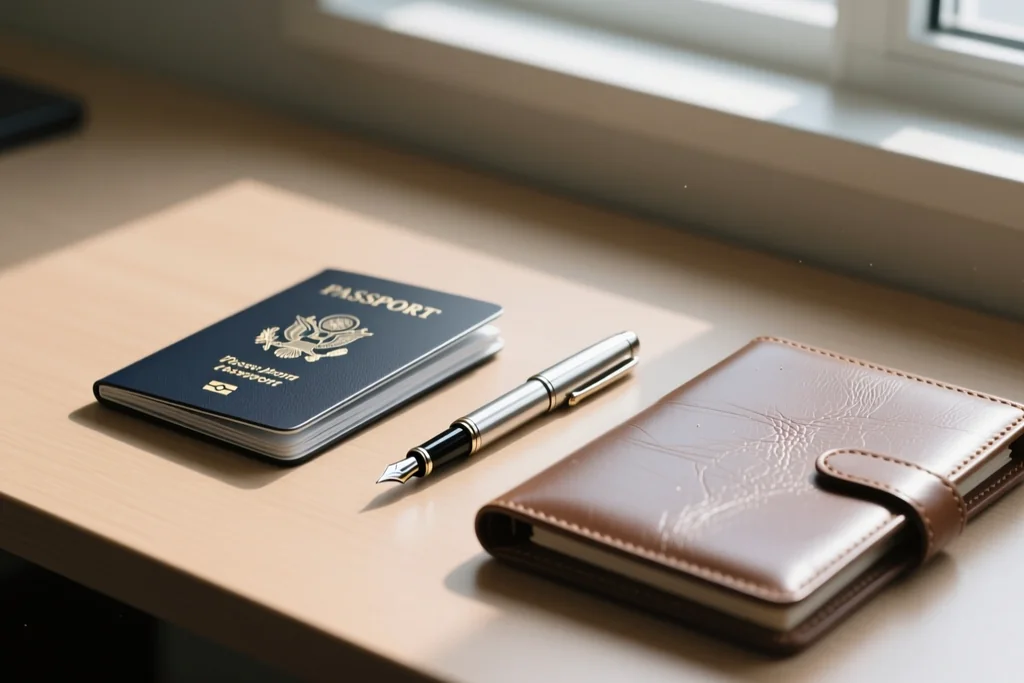
Verification is the step where an operator confirms that the person using an account is who they say they are. It is sometimes checked at registration and sometimes at the point of withdrawal, when it is most likely to catch a player by surprise. This guide explains what is usually requested and why the checks exist.
Why operators verify identity
Operators are required to know who holds each account, because a gambling account cannot be opened anonymously. Verification also protects the player, since an account that has been verified is harder for someone else to claim. It protects the operator against fraud, duplicate accounts and payment abuse. The checks are administrative rather than suspicious, and they apply to every player.

When verification is triggered
Some operators verify at sign-up, while others wait until the first withdrawal or until a deposit crosses a certain threshold. A change of payment details, a new device or an unusual pattern can also trigger a review. Verification can be requested at any point, so completing it early removes a potential delay later. The trigger points are usually described in the account terms.
Identity documents
The standard identity document is a government-issued photo card such as a passport or a driving licence. The document must be current, and all four corners should be visible in the image. Details are compared against the information held on the account, so a mismatch is the usual reason for a rejection. Clear, well-lit photographs prevent most of those.
Proof of address
A second document usually proves where you live, and it is normally a utility bill or a bank statement. It needs to show your name, your address and a recent date. The address must match the one on the account, which is why an old document or a different spelling can cause a delay. Screenshots are accepted by some operators and rejected by others, so check the format required.
Selfie and liveness checks
Many operators ask for a photograph of the account holder, sometimes holding the identity document. A liveness check goes further and asks for a short video or a sequence of movements to confirm that a real person is present. These steps guard against someone using another person's documents. They are quick when the lighting is good and the instructions are followed.
Source of funds in some cases
Larger deposits, or a pattern that differs from the account's usual activity, may prompt a request for information about where the money comes from. This usually means a payslip, a bank statement or a document showing the source of a specific payment. The request concerns the origin of the funds rather than how they will be spent. Supplying the document once is normally enough.
Avoiding the usual delays
- Complete verification before requesting the first withdrawal.
- Use a current identity document with all corners visible.
- Make sure the address matches the one on the account.
- Check the accepted formats and file sizes before uploading.
- Respond to follow-up requests promptly and in one message.
- Keep copies of the documents you submitted.
Documents and what they prove
The table lists the common requests and the purpose each document serves.
| Document | What it proves | Practical note |
|---|---|---|
| Identity card | Name and date of birth | Must be current and fully visible |
| Proof of address | Where the holder lives | Recent and matching the account |
| Selfie | The holder is a real person | Good lighting helps |
| Liveness check | The person is present, not a photo | Follow the on-screen movements |
| Source of funds | Where a payment came from | Usually a statement or a payslip |
Each request maps to a specific question the operator has to answer, which is why a missing document stops the process rather than merely slowing it.
What to do if a document is rejected
A rejection is usually about image quality or a mismatch rather than about the document itself. The common faults are glare, a cropped corner, an expired date or an address that does not match the account. Support can normally say which of those applied, and a replacement upload clears it. Re-sending the same image unchanged rarely helps.
How the data is handled
Documents submitted for verification are used to confirm identity and to meet the operator's obligations, not for marketing. They are usually held on the operator's systems and retained for as long as the rules require. Anyone concerned about handling can read the privacy section of the terms. Submitting documents through the secure upload in the account is safer than sending them by ordinary email.
Verification is a routine step, and the players who clear it fastest are the ones who prepare for it. Keep a current identity document and a recent proof of address ready before you need them. Doing it early turns a potential delay at withdrawal into a non-event.